How to Prepare Your HVAC System for Winter Storms
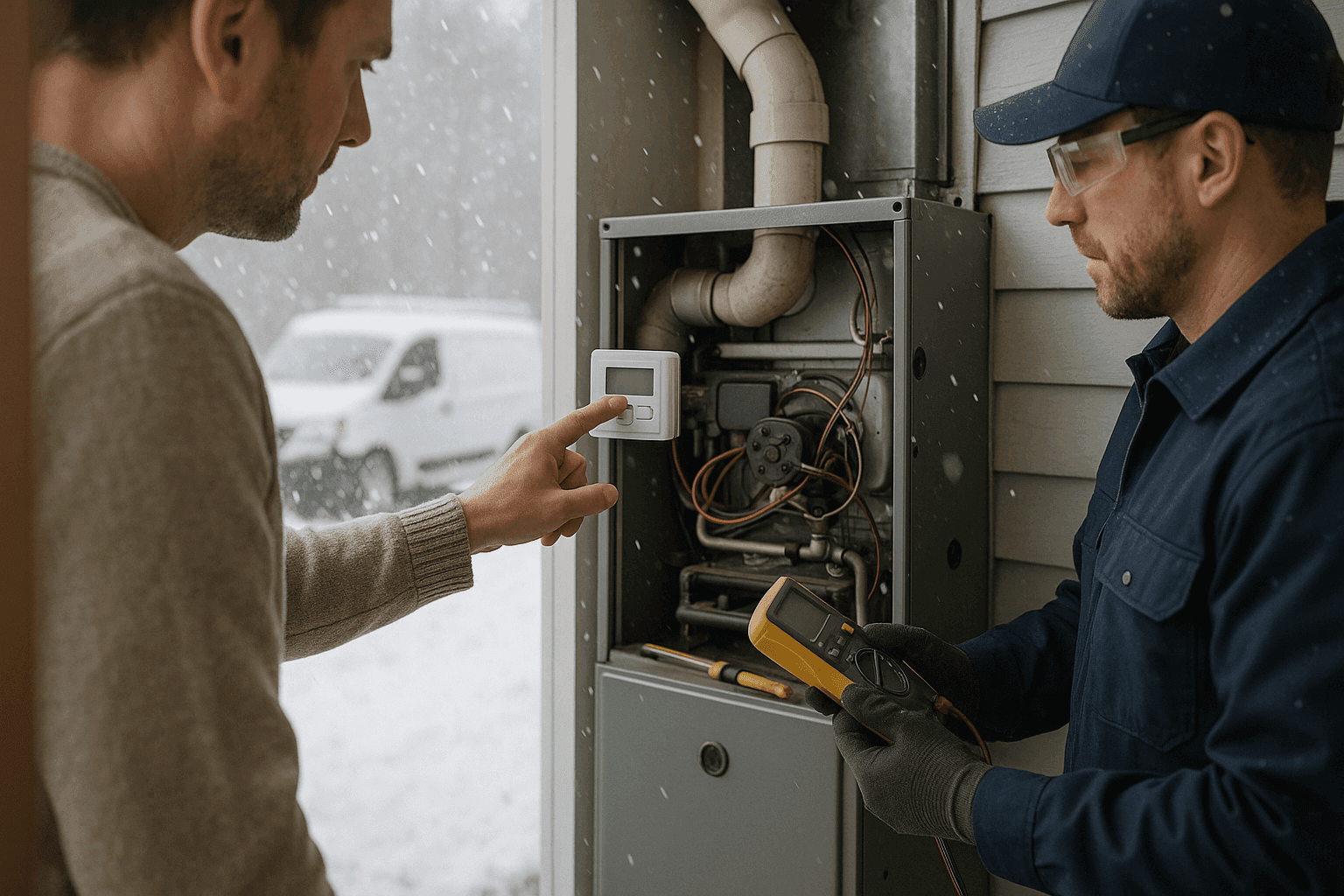
When winter storms barrel in, your home or business can feel like a fortress under siege. The cold seeps in, winds howl, and your comfort relies on the quiet hero in the basement or attic—your HVAC system.
At Quality AC & Heating, we know winter storms don’t just threaten your warmth. They can push your heating equipment to its limits, sometimes when you need it most. Let’s walk through how to prepare your HVAC system for the season’s toughest weather, so you stay safe, warm, and worry-free.
Why Winter Storms Put Your HVAC to the Test
Winter storms are like a stress test for your heating and ventilation. Sudden temperature drops, icy winds, and heavy snow can strain even well-maintained systems. A neglected filter or a tired thermostat might seem minor—until the mercury plunges and you’re left shivering.
Frozen pipes, power outages, and blocked vents are common culprits for emergency hvac calls during winter. The good news? A little foresight can prevent most cold-weather breakdowns.
Essential Winter HVAC Maintenance Tasks ❄️
Think of your HVAC system like a car before a road trip. You wouldn’t hit the highway without checking the oil and tires. Your heating system deserves the same care.
Replace or Clean Filters
Clogged filters choke airflow, forcing your system to work harder and raising energy bills. Check filters monthly during winter and replace or clean as needed. According to the U.S. Department of Energy, this simple step can boost efficiency by up to 15%.
Test and Set Your Thermostat
A programmable thermostat is your best friend in winter. Test it before storms hit. Make sure it cycles your furnace or heat pump properly. Set lower temperatures at night to save energy, but never below 55°F—pipes can freeze.
Inspect Ducts and Vents
Leaky ducts are like holes in your winter coat. Warm air escapes, cold air sneaks in. Look for loose connections or visible gaps. Clear vents of dust, furniture, or drapes. If you notice uneven heating or higher bills, call in a pro for a thorough inspection.
Schedule Professional Maintenance
Before the first big freeze, have a certified technician from Quality AC & Heating inspect your system. We check burners, heat exchangers, electrical connections, and safety controls. This tune-up can catch small problems before they become emergencies.
Emergency Preparedness Tips
Winter storms can bring surprises. Power outages, blocked roads, and sudden equipment failures are all possible. Here’s how to stay ready.
Backup Generator Readiness
A backup generator is like a spare tire—essential when you need it, useless if it won’t start. Test your generator before storms. Keep extra fuel (stored safely), and know how to operate it according to manufacturer instructions and National Fire Protection Association (NFPA) guidelines.
Keep Emergency Service Contacts Handy
Save the number for Quality AC & Heating in your phone and post it somewhere visible. In an emergency, quick access can mean the difference between a minor inconvenience and a major disaster.
Safety Precautions
- Never use ovens or grills for heat—carbon monoxide is deadly.
- Install and test carbon monoxide and smoke detectors.
- Know where your main gas shutoff and circuit breakers are located.
- Keep flashlights and extra batteries on hand.
Signs Your Heating System Needs Professional Attention Before Winter
Don’t wait until the first snow to notice something’s wrong. Watch for these warning signs:
- Odd noises: banging, rattling, or screeching from your furnace or heat pump.
- Weak airflow or cold spots in rooms.
- Short cycling (system turns on and off rapidly).
- Unusual smells—burning, musty, or chemical odors.
- Higher energy bills without explanation.
If you spot any of these, schedule a checkup. Early intervention often prevents costly emergency hvac repairs down the line.
Energy-Saving Tips for Cold Weather 🌡️
Staying warm shouldn’t mean sky-high bills. Try these tips to save energy and keep your system running smoothly:
- Use heavy curtains to block drafts at night, open them during the day for sunlight.
- Seal gaps around doors, windows, and outlets with weatherstripping or caulk.
- Add insulation in attics and crawl spaces if needed.
- Reverse ceiling fans to push warm air down.
- Lower the thermostat when you’re away or asleep.
- Schedule a home energy audit to spot hidden leaks and inefficiencies.
Quick Safety Checklist
- [ ] Replace HVAC filters.
- [ ] Test thermostat and program winter settings.
- [ ] Inspect and clear all vents.
- [ ] Schedule a pre-winter professional maintenance visit.
- [ ] Test smoke and carbon monoxide detectors.
- [ ] Check backup generator operation.
- [ ] Keep emergency contacts visible.
DIY vs. Call a Pro
Some tasks are perfect for handy homeowners—like changing filters or checking batteries in detectors. But when it comes to inspecting burners, electrical components, or refrigerant levels, let a certified technician handle it. HVAC systems are complex, and a small mistake can lead to big safety risks.
What Pros Do On Arrival
When a Quality AC & Heating technician arrives, they’ll:
- Inspect heat exchangers for cracks or corrosion.
- Test safety controls and ignition systems.
- Check electrical wiring and connections.
- Clean burners, blowers, and flame sensors.
- Assess airflow and ductwork.
- Measure system efficiency and recommend improvements.
Our team follows guidelines from the Air Conditioning Contractors of America (ACCA) and Occupational Safety and Health Administration (OSHA) to ensure your safety and comfort.
Prevention & Maintenance
Routine care is the unsung hero of winter comfort. Schedule annual maintenance before cold weather hits. Keep outdoor units clear of snow and debris. For businesses, consider an HVAC maintenance plan to reduce downtime and protect inventory.
Costs & Time Factors
Maintenance visits are quick—usually an hour or two. Emergency repairs can take longer, especially in severe weather. Costs depend on the issue, but regular maintenance is almost always less expensive than emergency fixes or system replacements.
When It’s an Emergency
If your heat goes out during a storm and temperatures plunge, it’s an emergency. Call Quality AC & Heating right away. While you wait:
- Close off unused rooms.
- Bundle up in layers.
- Use blankets and sleeping bags.
- Never use gas stoves or grills for heat.
Your safety comes first. If you suspect a gas leak or carbon monoxide, leave the building and call emergency services.
FAQ
How often should I replace my HVAC filter in winter?
Check monthly and replace as needed. If you have pets or allergies, you may need to change it more often.
Is it safe to run my furnace during a power outage with a generator?
Only if your generator is properly installed and sized for your HVAC system. Follow all manufacturer and NFPA safety guidelines.
What’s the best thermostat setting for winter storms?
Aim for 68–70°F when home and awake. Lower it 7–10 degrees at night or when away to save energy, but never below 55°F.
Should I cover my outdoor HVAC unit?
Remove snow and ice, but don’t cover the unit completely—it needs airflow. Use a manufacturer-approved cover if desired.
Special Considerations for This Service
Every home and business is unique. Historic buildings, multi-unit properties, and commercial kitchens may have special ventilation, hood, or exhaust needs. Geothermal and radiant heating systems require specialized care. If you’re unsure, ask a technician about your specific setup.
Call Quality AC & Heating now — or reach us anytime at 1-888-231-8820 .