How to Winterize Your HVAC System for Maximum Efficiency and Safety
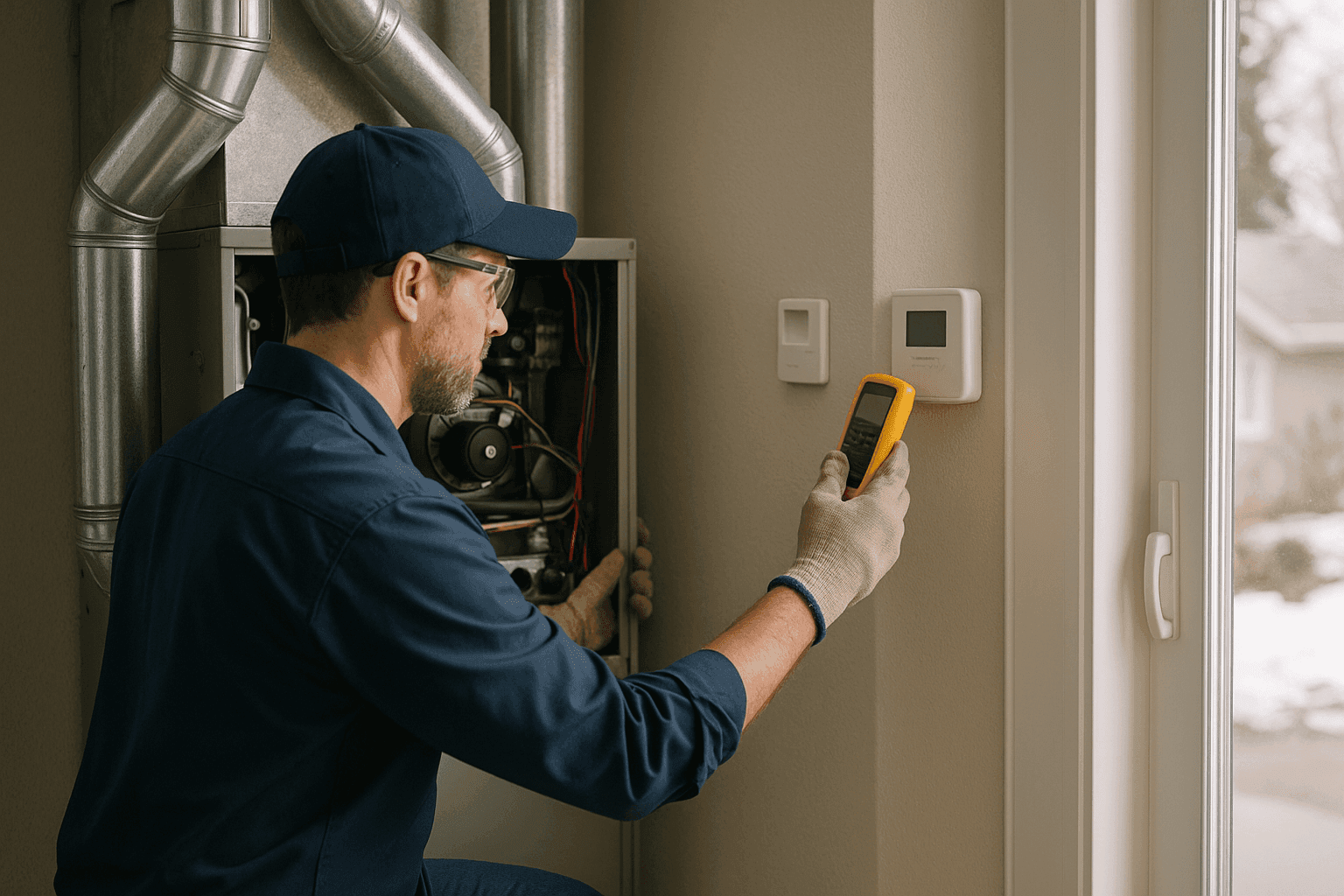
Winter is coming, and your home or small business deserves to be ready for the chill. When the temperature drops, your HVAC system becomes the heart of your comfort—and the last thing you want is for it to quit on the coldest night of the year.
At Quality AC & Heating, we know how unpredictable winter can be. Our team has seen it all: sudden breakdowns, sky-high energy bills, and the risks no one wants to face. Let’s walk through the steps to winterize your HVAC system, so you can stay warm, safe, and worry-free.
Why Winterizing Matters ❄️
Think of your HVAC system like a car before a long road trip. You wouldn’t ignore the oil or the tires, right? The same goes for your heating and cooling equipment before winter.
Here’s why taking time to winterize is a must:
- Energy Savings: A tuned-up system runs smoother and uses less energy, which means lower bills.
- Fewer Breakdowns: Routine checks catch little problems before they turn into big, expensive ones.
- Safety: Proper maintenance helps prevent hazards like carbon monoxide leaks or electrical issues.
- Comfort: No one likes shivering indoors. A winterized system keeps temperatures steady and air quality high.
According to the U.S. Department of Energy, regular HVAC maintenance can improve efficiency by up to 15%. That’s real money back in your pocket and peace of mind all season long.
Step-by-Step Winterization Checklist
Let’s break winterizing down into simple, doable steps. Grab your notepad—or bookmark this page—and get started:
1. Replace or Clean Air Filters
Dirty filters choke the airflow, making your system work harder. This means higher energy costs and more wear and tear. Change your filters every 1–3 months during heavy use. If you have pets or allergies, check them even more often.
2. Adjust and Test Thermostats
Set your thermostat for winter comfort—usually between 68°F and 72°F when you’re home. For smart thermostats, program lower temps when you’re away or asleep. Test your thermostat now to make sure it’s responding quickly and accurately.
3. Seal Leaky Ducts
Leaky ducts are like holes in your wallet. Sealing them keeps warm air inside where it belongs. Look for disconnected joints, visible gaps, or sections that feel drafty. Use mastic sealant or metal tape—never duct tape, which dries out and fails.
4. Inspect and Clean Vents
Walk through each room and check that vents and registers are open and unblocked. Dust or vacuum them to keep air moving freely.
5. Schedule a Furnace Inspection
A professional tune-up is the best way to catch hidden issues. A licensed technician will:
- Check burners and heat exchangers for cracks or corrosion
- Test safety controls
- Inspect electrical connections
- Lubricate moving parts
- Verify carbon monoxide levels
This is not just a box to check. The National Fire Protection Association (NFPA) recommends annual inspections to reduce fire and gas risks.
6. Check Carbon Monoxide and Smoke Detectors
Press the test button on all alarms. Replace batteries if needed. If detectors are over 7–10 years old, swap them out for new ones.
7. Insulate Exposed Pipes
Wrap any exposed HVAC or water pipes in unheated areas to prevent freezing and bursting. Foam pipe insulation is inexpensive and easy to install.
8. Clear Outdoor Units
If you have a heat pump or exterior AC unit, gently brush away leaves, sticks, and debris. Make sure there’s at least two feet of clearance around all sides.
9. Clean or Replace Humidifier Pads
If your system includes a whole-house humidifier, swap out the water panel or pad. This keeps indoor air comfortable and prevents mold.
10. Review Emergency HVAC Plans
Know where your system’s shutoff switches are. Keep emergency numbers handy. If you have a backup generator, test it now.
Safety Tips for Heating Systems
Safety isn’t just about comfort—it’s about protecting your family, employees, and property. Heating systems can pose real risks if neglected.
Guard Against Carbon Monoxide
Carbon monoxide (CO) is invisible and odorless. A cracked heat exchanger or blocked flue can send CO into your living space. Always have CO detectors on every floor, especially near sleeping areas. The Centers for Disease Control and Prevention (CDC) stresses the importance of annual furnace checks for this reason.
Keep Flammable Items Away
Never store boxes, cleaning supplies, or flammable liquids near your furnace or water heater. Keep at least three feet of clear space.
Emergency Preparedness
If your heat stops working in the middle of the night, do you know what to do? Keep extra blankets, portable heaters (that are rated safe for indoor use), and flashlights ready. Quality AC & Heating offers true 24-hour emergency hvac service, so you’re never left in the cold.
Watch for Warning Signs
- Rotten egg smell (could signal a gas leak—leave immediately and call for help)
- Soot or scorch marks near vents or furnace
- Strange noises: banging, screeching, or repeated cycling
If you notice any of these, shut down the system and call a professional right away.
When to Call a Professional
There’s plenty you can do on your own, but some jobs require a pro’s eye and tools.
Call for help if:
- Your furnace or heat pump starts blowing cold air
- The pilot light is yellow or flickering
- You hear grinding, rattling, or loud bangs
- Your system short-cycles (turns on and off rapidly)
- Your energy bills spike with no explanation
- You smell gas or see water pooling around the unit
A licensed HVAC technician will follow standards from organizations like ASHRAE and the Air Conditioning Contractors of America (ACCA) to keep your system safe and efficient.
DIY Winterization Tips (And When to Stop)
It’s tempting to tackle everything yourself. Many tasks—like changing filters, checking thermostats, and clearing vents—are safe and easy for most people.
But don’t go poking around inside your furnace or electrical panels unless you’re trained. Modern HVAC systems are complex. A misstep can lead to expensive repairs, voided warranties, or even injury.
If you’re ever in doubt, it’s time to call the pros at Quality AC & Heating. We’re available 24/7 for emergency hvac needs, big or small.
What the Pros Do During a Winterization Visit
Curious what happens during a professional winterization? Here’s what you can expect from a licensed technician:
- Full-system inspection: furnace, heat pump, or boiler
- Cleaning burners, blower wheels, and flame sensors
- Checking gas pressure and connections
- Inspecting and tightening electrical wiring
- Testing for carbon monoxide leaks
- Verifying thermostat calibration
- Reviewing ductwork for leaks or blockages
- Checking and cleaning humidifiers, air scrubbers, and filters
Professionals use calibrated instruments and follow safety codes (such as those from the International Residential Code and National Electrical Code) to ensure your system is up to par.
Prevention and Maintenance: Stay Ahead of Winter Problems
Winterization isn’t a one-time event. Keep your system running smoothly with these habits:
- Change filters regularly (monthly during heavy use)
- Keep vents open and unblocked
- Schedule annual professional maintenance
- Monitor your energy bills for sudden changes
- Keep records of repairs and service visits
Regular maintenance is like brushing your teeth: it prevents bigger, costlier problems down the road.
Costs & Time Factors
How much time and money should you expect to invest in winterizing your HVAC system?
- DIY Steps: Changing filters, clearing vents, and checking thermostats can take less than an hour and cost under $50 for supplies.
- Professional Inspection: A typical maintenance visit takes 1–2 hours. Prices vary based on system size and age, but most homeowners find the investment pays off in energy savings and fewer breakdowns.
- Repairs or Upgrades: If your technician finds issues (like a cracked heat exchanger or worn-out blower), repairs may take longer and cost more. But catching problems early is always less expensive than emergency fixes.
Remember: an emergency hvac call in the middle of winter can be much pricier than a routine maintenance visit.
When It’s an Emergency
Sometimes, winter throws a curveball. If your heat goes out and temperatures are dropping fast, don’t wait.
Call for emergency hvac service if:
- You smell gas or suspect a carbon monoxide leak (get everyone out first)
- There’s no heat and outdoor temps are below freezing
- You see sparks, smoke, or water leaks near your HVAC equipment
- Your system won’t turn on at all
Our team at Quality AC & Heating is ready around the clock, so you’re never left in the cold.
Frequently Asked Questions
How often should I winterize my HVAC system?
At least once a year, before the coldest months hit. If you have older equipment or high usage, twice a year is even better.
Can I use my AC in winter for ventilation?
Most central AC units aren’t designed to run in freezing temperatures. For ventilation, use designated fans or whole-house ventilation systems.
What’s the most important winterization step I can do myself?
Change your air filters! It’s fast, affordable, and prevents a host of issues.
Is it safe to cover my outdoor AC unit in winter?
If your manufacturer recommends it, use a breathable cover to keep debris out. Never use plastic tarps, which can trap moisture and cause rust.
Special Considerations for Your Home or Business
Every building is unique. If you have special equipment—like mini-splits, radiant heating, geothermal systems, or whole-house fans—make sure your technician knows. Commercial spaces may need extra attention for ventilation, air balancing, or IAQ (indoor air quality) testing.
If you’re running a business, schedule maintenance during off-hours to avoid disrupting your staff or customers.
Stay warm, safe, and comfortable all winter long. Call Quality AC & Heating now — or reach us anytime at 1-888-231-8820 .